Contact Us:

670 Lafayette Ave, Brooklyn,
NY 11216

+1 800 966 4564
+1 800 9667 4558

“Thrissur – Timeless Traditions, Vibrant Celebrations”

Thrissur, also known as Thrissivaperur is centrally located in the state of Kerala. Renowned as the Cultural Capital of Kerala, it is celebrated for its deep-rooted history, vibrant religious and cultural traditions, and rich archaeological heritage. The modern city of Thrissur, known for its well-planned layout, was shaped by the vision of Sakthan Thampuran (1751–1805), the illustrious ruler of the former Kingdom of Cochin. Thrissur is a hub of religious, historical, archaeological, and cultural significance, offering strong potential for tourism development. It boasts a robust transportation network with well-maintained national and state highways. It hosts the highest number of financial institutions in Kerala and is headquarters to three major scheduled banks, making it a vital commercial and financial hub in the state.

Historical Significance

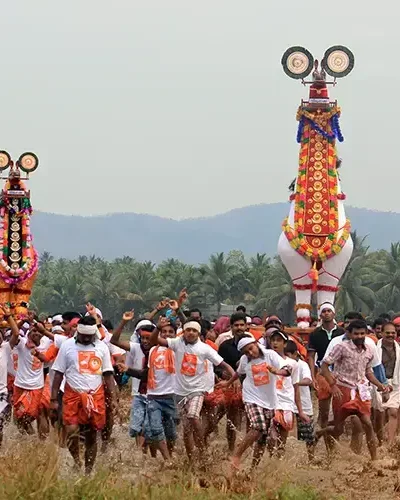
Thrissur, has a history spanning ancient, pre-colonial, and colonial eras. In ancient times, it was part of the Chera dynasty and a key center for trade and spirituality. The famed Vadakkunnathan Temple, believed to be one of the oldest Shiva temples in South India, stands as a testament to its spiritual legacy. During the pre-colonial period, Thrissur was under the control of the Kingdom of Cochin. The reign of Raja Rama Varma, popularly known as Sakthan Thampuran (late 18th century), marked a golden age for the city. He reorganized the city’s layout, promoted trade, and elevated Thrissur to a central role in Kerala’s cultural life. His patronage led to the growth of festivals like Thrissur Pooram, now one of the most spectacular temple festivals in India.

In the colonial era, Thrissur came under Portuguese, Dutch, and finally British influence. It became a center for missionary activity, modern education, and political movements. Thrissur’s historical trajectory reflects a unique blend of tradition, reform, and cultural resilience.

Culture & Heritage

Thrissur’s built heritage is a profound testament to its cultural, religious, and historical importance in Kerala. At the city’s core stands the Vadakkunnathan Temple, one of the oldest and most revered Shiva temples in South India. This temple, a classic example of Kerala-style architecture with monumental gopurams and intricate wooden carvings, is recognized by UNESCO for its conservation efforts. Surrounded by the circular Thekkinkadu Maidan, the temple complex is central not only to the city’s spiritual life but also to its cultural traditions, such as the world-renowned Thrissur Pooram, a grand temple festival celebrated with caparisoned elephants, percussion ensembles like Panchavadyam and Melam, and fireworks. Thrissur is a cradle for classical performing arts such as Kathakali, Mohiniyattam, and Koodiyattam, with institutions like Kerala Kalamandalam playing a pivotal role in their preservation and promotion. Colonial-era landmarks such as the Our Lady of Lourdes Metropolitan Cathedral and missionary-established institutions highlight the influence of Portuguese and British presence.

Together, Thrissur’s temples, palaces, churches, and public buildings form a cohesive narrative of religious harmony, political legacy, and cultural evolution, making the city a vital repository of Kerala’s architectural and historical heritage.