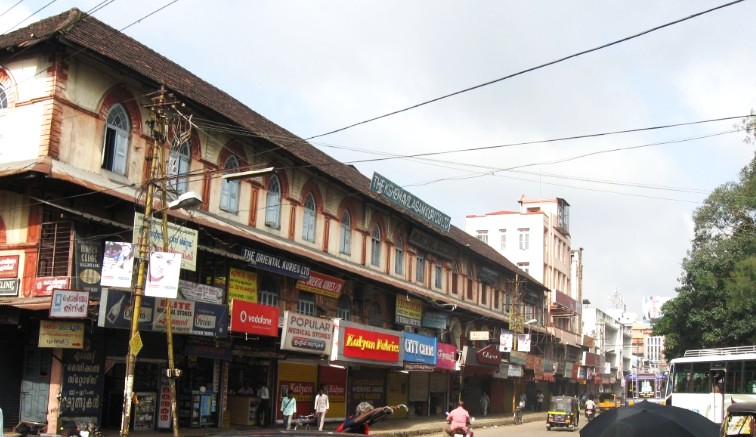
The demolition of the historic Kshemavilasam Kuri building in Thrissur marks a poignant moment in the city’s architectural and cultural narrative. Once a vibrant symbol of traditional Kerala architecture and urban heritage, the building stood as a testament to the economic and cultural life of a bygone era. Its graceful wooden detailing, tiled sloping roof, and well-crafted proportions were reflective of the city’s rich aesthetic sensibility. For decades, it was more than just a structure—it was a part of the collective memory and daily life of Thrissur’s residents.
Its loss is not merely physical but symbolic, representing the gradual erosion of the city’s distinctive identity. As urban development accelerates, heritage structures like Kshemavilasam Kuri fall victim to neglect, lack of legal protection, and the push for modern infrastructure. This incident highlights the pressing need for stronger heritage conservation policies, public awareness, and adaptive reuse strategies. Preserving such buildings is essential not only for safeguarding history but also for enriching future urban environments with cultural continuity. The disappearance of Kshemavilasam Kuri is a stark reminder: once these structures are gone, they can never be recreated. Thrissur’s future must include its past.